Notes.
Studio Archive
On Rhythm in Digital Environments
Some digital spaces feel calm. Others feel exhausting before you can explain why. Rhythm is often part of the difference.
A page can contain all the right information and still feel tiring.
Another can be equally dense and somehow feel easy to move through.
The difference is often temporal rather than visual.
How quickly something appears.
How long the eye is allowed to rest.
Where a section ends before the next one begins.
Rhythm gives information a pace.
Good pacing creates small moments of orientation.
A quiet transition can prepare the eye for a change in subject.
A generous margin can make an important sentence feel more important without making it larger.
Movement can suggest sequence, but too much movement removes the very pauses that make sequence understandable.
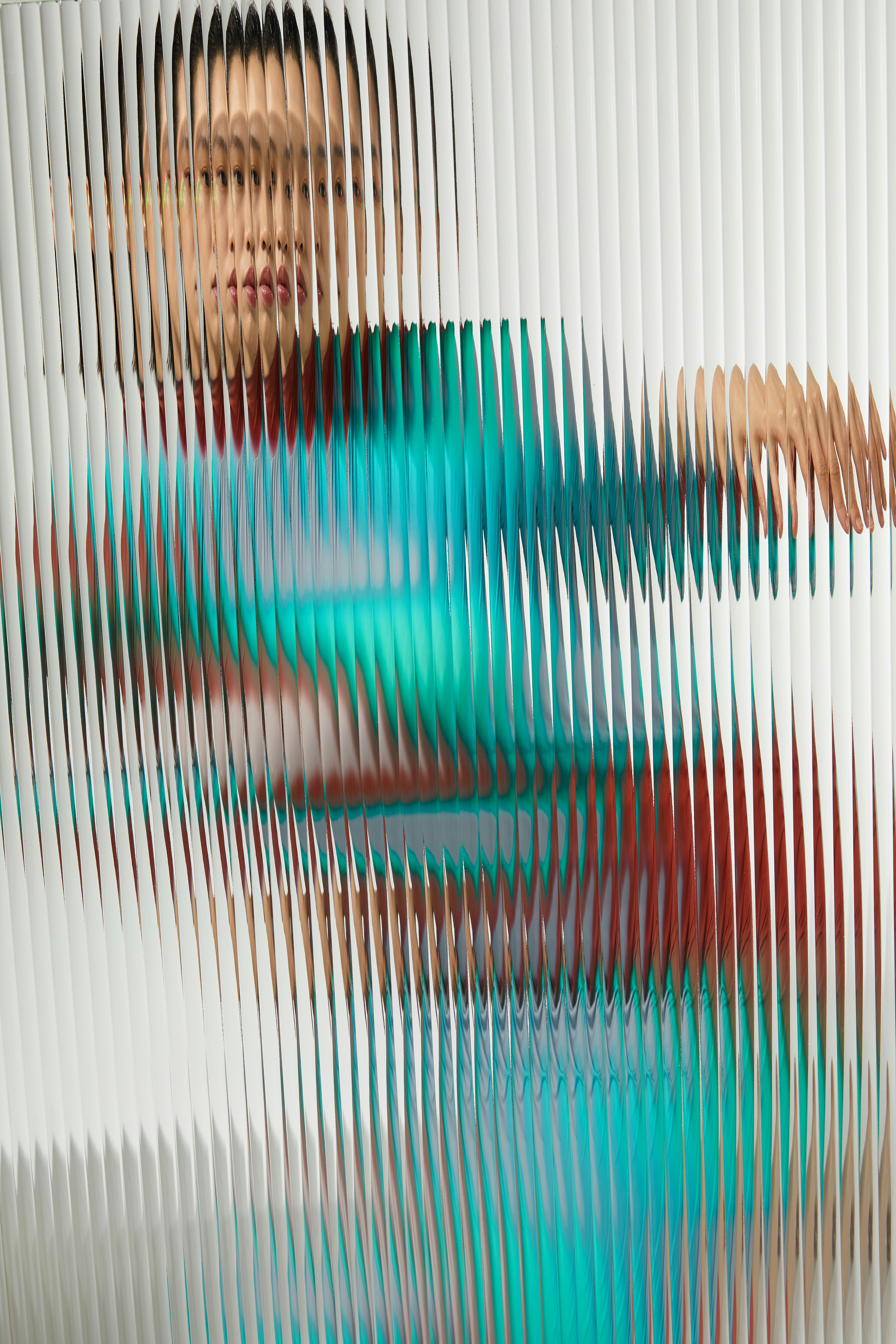
Rhythm is not decoration.
It is the relationship between what asks for attention and what gives attention somewhere to rest.

Designing rhythm means deciding where not to add something.
Not every scroll needs an animation.
Not every empty space needs to be filled.
The most satisfying interfaces often alternate between activity and rest, giving people enough time to understand where they are before asking them to move again.
A good interface has a tempo.
The user should never have to count the beats.

Ready to make the different pieces work together?
Whether you are starting from nothing, reshaping what already exists or bringing several elements into one clearer system, we can begin with a conversation about what you need and what your digital presence could become.